Global Japanese Sushi Rolls
Highlighted under: Global Cooking
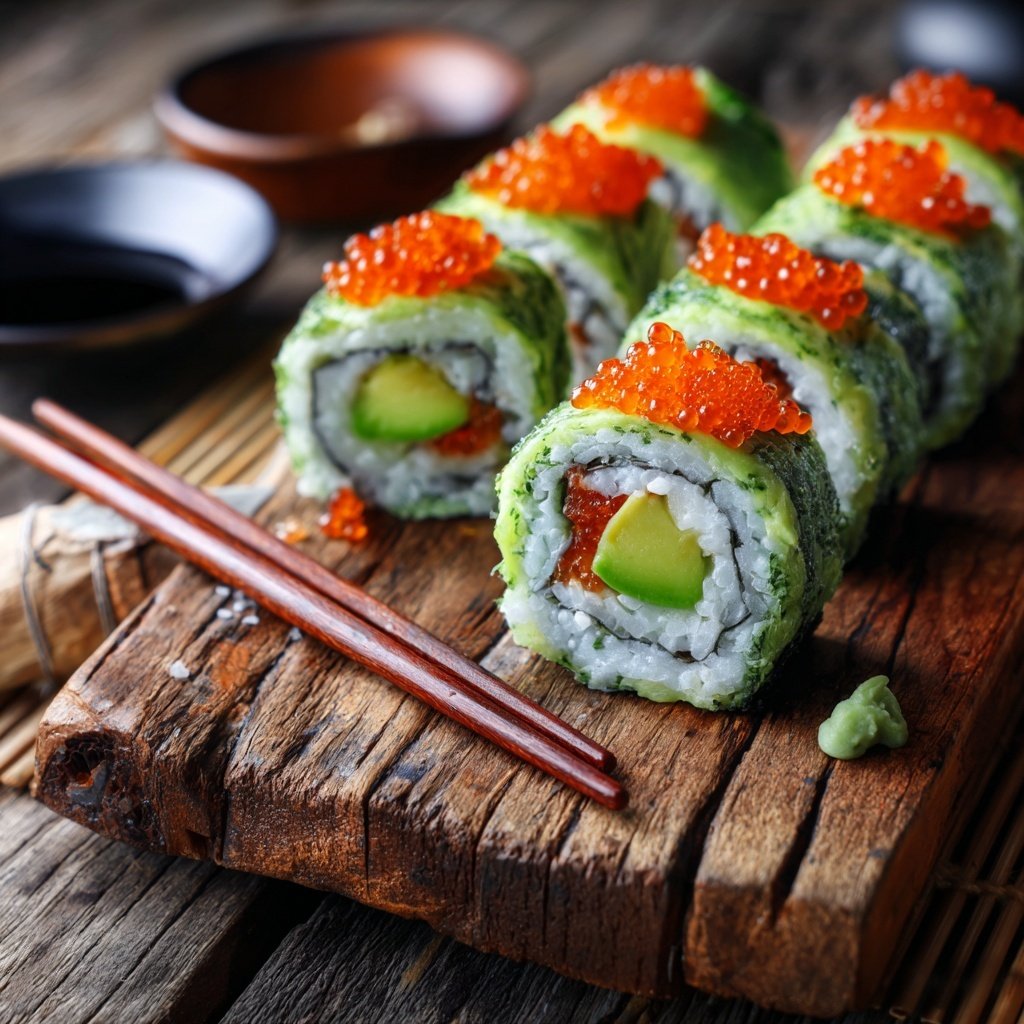
When I first tried making sushi at home, I was both excited and intimidated. The world of sushi rolls is vast, and I discovered that with a few simple ingredients and techniques, I could create delicious rolls that are not only fun to prepare but also perfect for sharing with friends and family. This recipe for Global Japanese Sushi Rolls combines various flavors and ingredients that reflect different culinary traditions, making it a delightful adventure in your kitchen. I promise you, the colorful presentation and fresh taste will impress everyone!
Making sushi at home was a thrilling experiment for me. I tried various fillings and toppings, incorporating flavors from around the globe. One delightful surprise was adding cream cheese and avocado, which gave the rolls a creamy texture that perfectly balanced the fresh fish.
I also learned that using a bamboo mat significantly improves the roll's shape and tightness. Rolling slowly and with gentle pressure helps to prevent the sushi from falling apart, resulting in beautifully crafted rolls that not only taste amazing but also look stunning on the plate!
Why You'll Love These Rolls
- A delightful fusion of global flavors and textures
- Fresh ingredients that create a vibrant dining experience
- Perfect for gatherings or a fun family night in
Choosing Your Fillings
One of the joys of making Global Japanese Sushi Rolls is the versatility that comes with selecting your fillings. While classic sushi fillings like fresh salmon or tuna are a must, don't hesitate to experiment with other proteins such as grilled shrimp or even marinated tofu for a vegetarian option. The balance of flavors and textures plays a crucial role, so think about adding some pickled vegetables for acidity or a spicy mayo drizzle for heat.
Herbs and greens can also elevate the freshness of your rolls. I often add a few sprigs of cilantro or a handful of thinly sliced green onions. Each bite will burst with flavors, taking your sushi experience to new heights. While traditional sushi emphasizes fish, your own adaptations can create truly personalized creations that reflect your tastes.
Perfecting the Rolling Technique
Mastering the rolling technique is essential for achieving sushi rolls that hold together and look appealing. When spreading the rice on the nori, keep your hands damp to prevent sticking and work gently to avoid crushing the rice grains. A thickness of about 1/4 inch for the rice is ideal; too thick can make the roll unwieldy, while too thin might not hold up during slicing.
When rolling, you want to apply a firm yet gentle pressure, especially at the start to anchor the fillings without squeezing out the insides. Once you've completed one full roll, use the bamboo mat to give the roll a slight squeeze to tighten it even more. This technique can help prevent common issues like a loose roll or one that falls apart during slicing.
Enhancing Presentation and Serving
Presentation can elevate the dining experience immensely. After slicing your rolls, arrange them on a clean platter. Pair with some wasabi, soy sauce, and pickled ginger to enhance the flavors. For an extra touch, add colorful garnishes like microgreens or edible flowers, which will make your rolls stand out on the table, impressing your guests visually.
If you want to make your sushi rolls ahead of time, they can be stored in the refrigerator wrapped tightly in plastic wrap for up to a few hours before serving. However, be cautious about the avocado, as it can brown quickly. If you're making rolls with avocado, add a splash of lemon or lime juice to help prevent oxidation, ensuring your colorful rolls remain vibrant.
Ingredients
Gather these fresh ingredients to create your sushi rolls!
Sushi Ingredients
- 2 cups sushi rice
- 2 1/2 cups water
- 1/4 cup rice vinegar
- 1 tablespoon sugar
- 1 teaspoon salt
- Nori sheets (seaweed)
- Fresh fish (like salmon and tuna)
- Avocado, sliced
- Cucumber, julienned
- Cream cheese, sliced
- Sesame seeds, for garnish
Make sure all the ingredients are prepared and ready to use for the best results!
Preparation Steps
Follow these steps to create your perfect sushi rolls!
Prepare the Sushi Rice
Rinse sushi rice under cold water until water runs clear. Combine rice and water in a rice cooker and cook according to the manufacturer's instructions. Once cooked, transfer to a large bowl and mix gently with rice vinegar, sugar, and salt. Allow to cool.
Prepare the Sushi Filling
Slice the fresh fish, avocado, and cucumber into thin strips. Have the cream cheese ready.
Roll the Sushi
Lay a sheet of nori on a bamboo mat. Wet your hands and spread a thin layer of sushi rice on the nori, leaving a 1-inch border at the top. Arrange your desired fillings in the center of the rice.
Shape the Roll
Starting from the bottom, lift the bamboo mat and roll it over the filling. Apply gentle pressure to shape the roll tightly. Continue rolling until you reach the top border.
Slice and Serve
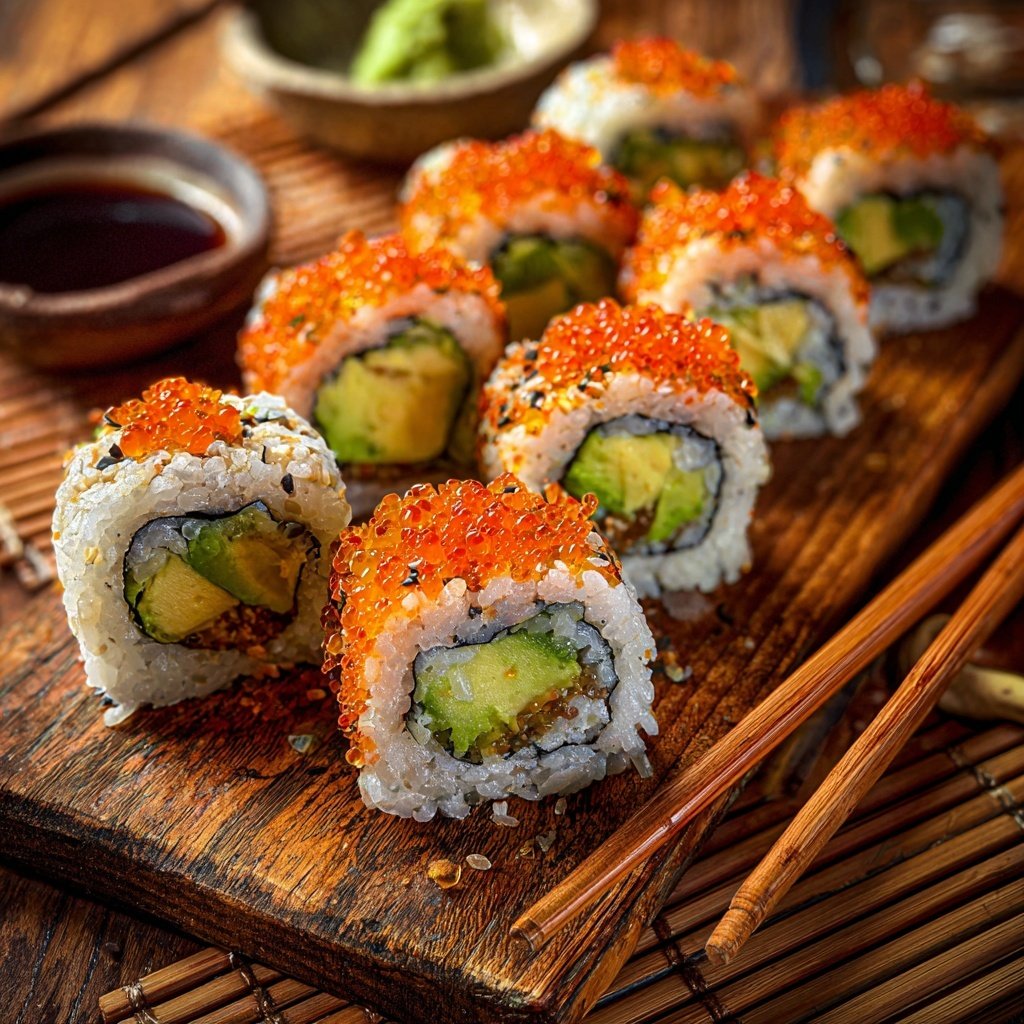
Use a sharp knife dipped in water to slice the roll into bite-sized pieces. Sprinkle sesame seeds on top before serving.
Serve your sushi rolls with soy sauce, pickled ginger, and wasabi for the ultimate experience!
Pro Tips
- Experiment with different fillings and sauces to customize your sushi rolls. Try adding mango, or spicy mayo for an extra kick!
Storage and Make-Ahead Tips
If you find yourself with leftover sushi rolls, store them in an airtight container in the fridge. The shelf life is best within 24 hours, though after this period, the rice may start to dry out, and the vegetables can lose their crunch. It's best not to freeze sushi rolls, as the texture of the rice and fresh ingredients can be compromised upon thawing.
For make-ahead sushi, consider preparing the sushi rice and fillings separately. The rice can be made a few hours in advance and set aside to cool. The prepped fillings should be kept fresh by wrapping them in a damp paper towel. This way, when it’s time to roll, you can quickly assemble everything without compromising the quality of your presentation or texture.
Troubleshooting Common Issues
One common issue is overcooked sushi rice, which can become mushy and sticky. To avoid this, rinse the rice thoroughly until the water runs clear before cooking. Follow your rice cooker’s instructions carefully and avoid using too much water. The rice should be tender yet firm, with each grain distinct. If your rice is too dry, you can sprinkle a bit of water while it's still warm to adjust the moisture level.
Another common problem is the nori sheets being difficult to work with. If they feel too brittle, briefly toasting them over low heat for a few seconds can make them more pliable. This will make for easier rolling and better integration with the rice, enhancing both the texture and flavor of your sushi rolls.
Experiment with Flavors
While the classic sushi experience relies on fresh fish and simple ingredients, don't hesitate to experiment with different flavor profiles. Adding ingredients like spicy tuna, kimchi, or even fruits such as mango can create a delightful mix. Each bite can introduce a new layer of flavor, enhancing the overall dish.
For those who enjoy spicy food, incorporating sriracha or a homemade spicy mayo can give your sushi rolls an exciting kick. You could also drizzle a sweet teriyaki sauce over the completed rolls for a different taste. Such variations can transform a simple recipe into an exciting culinary journey that reflects different global influences.
Questions About Recipes
→ Can I use any type of rice for sushi?
It's best to use sushi rice or short-grain rice for the right texture.
→ How do I store leftover sushi?
Wrap leftover sushi tightly in plastic wrap and keep it in the refrigerator. It's best consumed within 24 hours.
→ Is sushi safe to eat raw?
Yes, but ensure you buy sushi-grade fish from a reputable source to minimize health risks.
→ What can I serve with sushi?
Sushi pairs well with soy sauce, pickled ginger, and wasabi. You can also enjoy it with a side of miso soup.
Global Japanese Sushi Rolls
Created by: The Chefnikskitchen Team
Recipe Type: Global Cooking
Skill Level: Intermediate
Final Quantity: 4 rolls
What You'll Need
Sushi Ingredients
- 2 cups sushi rice
- 2 1/2 cups water
- 1/4 cup rice vinegar
- 1 tablespoon sugar
- 1 teaspoon salt
- Nori sheets (seaweed)
- Fresh fish (like salmon and tuna)
- Avocado, sliced
- Cucumber, julienned
- Cream cheese, sliced
- Sesame seeds, for garnish
How-To Steps
Rinse sushi rice under cold water until water runs clear. Combine rice and water in a rice cooker and cook according to the manufacturer's instructions. Once cooked, transfer to a large bowl and mix gently with rice vinegar, sugar, and salt. Allow to cool.
Slice the fresh fish, avocado, and cucumber into thin strips. Have the cream cheese ready.
Lay a sheet of nori on a bamboo mat. Wet your hands and spread a thin layer of sushi rice on the nori, leaving a 1-inch border at the top. Arrange your desired fillings in the center of the rice.
Starting from the bottom, lift the bamboo mat and roll it over the filling. Apply gentle pressure to shape the roll tightly. Continue rolling until you reach the top border.
Use a sharp knife dipped in water to slice the roll into bite-sized pieces. Sprinkle sesame seeds on top before serving.
Extra Tips
- Experiment with different fillings and sauces to customize your sushi rolls. Try adding mango, or spicy mayo for an extra kick!
Nutritional Breakdown (Per Serving)
- Calories: 450 kcal
- Total Fat: 15g
- Saturated Fat: 3g
- Cholesterol: 70mg
- Sodium: 600mg
- Total Carbohydrates: 60g
- Dietary Fiber: 3g
- Sugars: 0g
- Protein: 10g